
KL has a habit of hiding its best rooms. The truly bohemian places — the ones where you stay three hours longer than planned — are rarely on the main strip. They are up a flight of stairs, through a courtyard, on the mezzanine of a century-old covered market where ceiling fans still turn and the smell of coffee drifts up through the floor. Finding them is half the point.
In short:
- Kuala Lumpur’s most authentic bohemian bars cluster around heritage buildings and older commercial districts — particularly Central Market, Bangsar’s backstreets, and pockets of Chow Kit — rather than the hotel corridor along Bukit Bintang.
- Live music is the single most reliable marker of a genuinely bohemian bar: it signals commitment from an owner who values atmosphere over turnover, and it draws a crowd that knows why it came.
- Bartolo Lisboa Bakehouse, on the mezzanine of Central Market, runs live jazz, salsa, poetry slams, and late-night Afterdark gigs every week — and backs it all with honest Lisbon cooking.
What makes a bar “bohemian” in Kuala Lumpur?
A genuinely bohemian bar in KL is one where the crowd, the culture, and the room have grown together over time — not one that has been designed to look that way.
The word gets stretched. In a marketing context, “bohemian” has come to mean mismatched furniture, Edison bulbs, and a cocktail menu with French words on it. That version is easy to find. The real thing takes longer.
What distinguishes a bar with actual bohemian character is harder to list but easy to feel: a room that was not built to be a bar — a heritage shophouse, a market mezzanine, a converted godown; a weekly programme of events that requires real commitment from whoever is running the place; and a crowd that skews towards artists, musicians, and writers rather than the office happy-hour set. The final marker is the one that matters most: a sense that the place would still be there even if the algorithm changed tomorrow. Regulars keep it alive, not virality.
Which KL neighbourhoods have the most bohemian scene?
The most consistently bohemian neighbourhoods in Kuala Lumpur are the area around Central Market and Kasturi Walk, the older streets behind Bangsar’s main strip, and the rougher, more creative pockets of Chow Kit — all places where heritage buildings and a working artist community have had time to find each other.
Central Market, which opened in 1888 as a wet market before being converted into a covered arts and crafts space, has long been a gathering point for craftspeople, musicians, and anyone drawn to the city’s older bones. The architecture gives it weight: the pale Art Deco facade, the high vaulted roof, the mezzanine level that has housed small businesses and gathering spaces for decades. The streets around it — Kasturi Walk, Jalan Hang Kasturi — have a texture that the glass-tower districts simply do not.
Bangsar, particularly the older residential streets away from the main commercial drag, carries a similar energy: independent bookshops, small gallery spaces, venues that run events on a quiet Tuesday. Chow Kit, rougher and more working-class in grain, has attracted a younger wave of independent operators over the past decade. None of these places advertise aggressively. That is, in large part, what makes them work.
What separates a good bohemian hangout from a disappointing one?
The difference between a bar that feels bohemian and one that merely looks it comes down to three things: live culture on a reliable schedule, a genuine community of regulars, and a clear point of view — some reason the place exists beyond filling seats.
Here is how different types of KL venues tend to stack up:
| Venue type | Live culture | Regular community | Point of view | Typical price range |
|---|---|---|---|---|
| Heritage venue with weekly programme (e.g. Bartolo) | Weekly jazz, salsa, poetry, late gigs | Strong — musicians, artists, local creatives | Specific — Lisbon cooking in a colonial market | RM 6–RM 60 |
| Indie coffee shop with open mics | Occasional | Moderate | Varies widely | RM 10–RM 20 |
| Rooftop cocktail bar | Resident DJ, no live music | Low — high turnover crowd | Aesthetic only | RM 35–RM 80 |
| Street-level neighbourhood bar | Irregular, informal | High — locals who live nearby | Food and community first | RM 15–RM 40 |
The top tier, consistently, is the heritage space with a reliable programme. Reliable is the operative word. A venue that runs a jazz jam every Thursday without fail is making a statement about what it values — and that statement is legible to everyone who walks in.
Why does live music matter so much to KL’s bohemian bar scene?
Live music is what separates a bar that happens to be interesting from one that is genuinely alive — because it creates a reason to be there that transcends the drinks list and gives the night a shape.
A bar that commissions live musicians every week is making a financial argument about what matters. The music — real musicians making real choices in real time — attracts people who are also listeners. That changes the energy of the room in ways that are difficult to articulate but impossible to miss. The audience pays attention differently. Conversations pause at the right moments. The room develops a collective consciousness that a playlist simply does not produce.
The best live-music venues in KL’s bohemian circuit tend towards jazz, Latin, or acoustic rather than covers bands, because those formats draw musicians who also listen — and musicians make the best audiences. The scene is smaller than it deserves to be, which is precisely why the venues that do it properly become central to the city’s creative calendar. Regulars plan their week around a Thursday night or a late Saturday set. The bar becomes what the word tasca originally implied in Lisbon: a small room that served a neighbourhood rather than a passing trade.
Where Bartolo Lisboa Bakehouse fits in
We are on the mezzanine of Central Market — literally above the city’s oldest creative market, looking down at the ground-floor stalls and out across Kasturi Walk through windows that have been open to the KL air since 1888. The room has weight. We did not put it there.
What we added is a programme that runs every week without fail. Thursday Jazz Jam brings Julian Chan on saxophone, Melvin Goh on piano, Wli Cheah on keys, and Amar Azalan on bass — free entry, no reservation required, though a message on WhatsApp will secure you a table. Salsa nights, poetry slams, and Afterdark gigs run throughout the month; Afterdark tickets are RM 50 in advance, RM 60 at the door. The full schedule is on our events page.
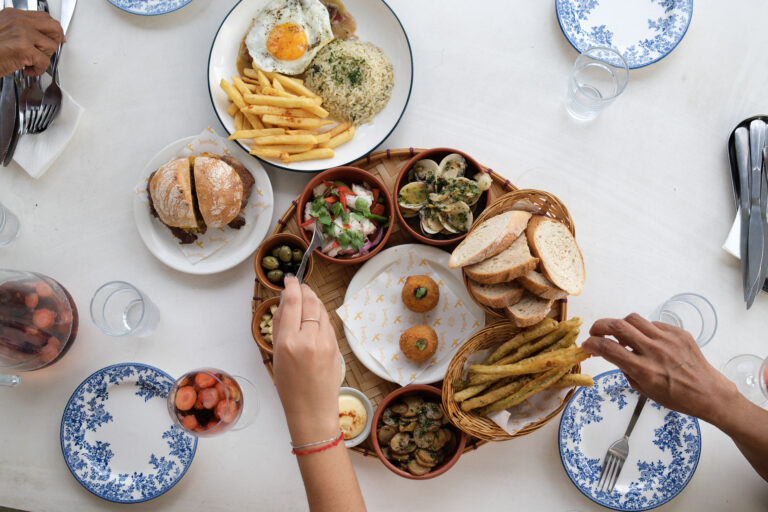
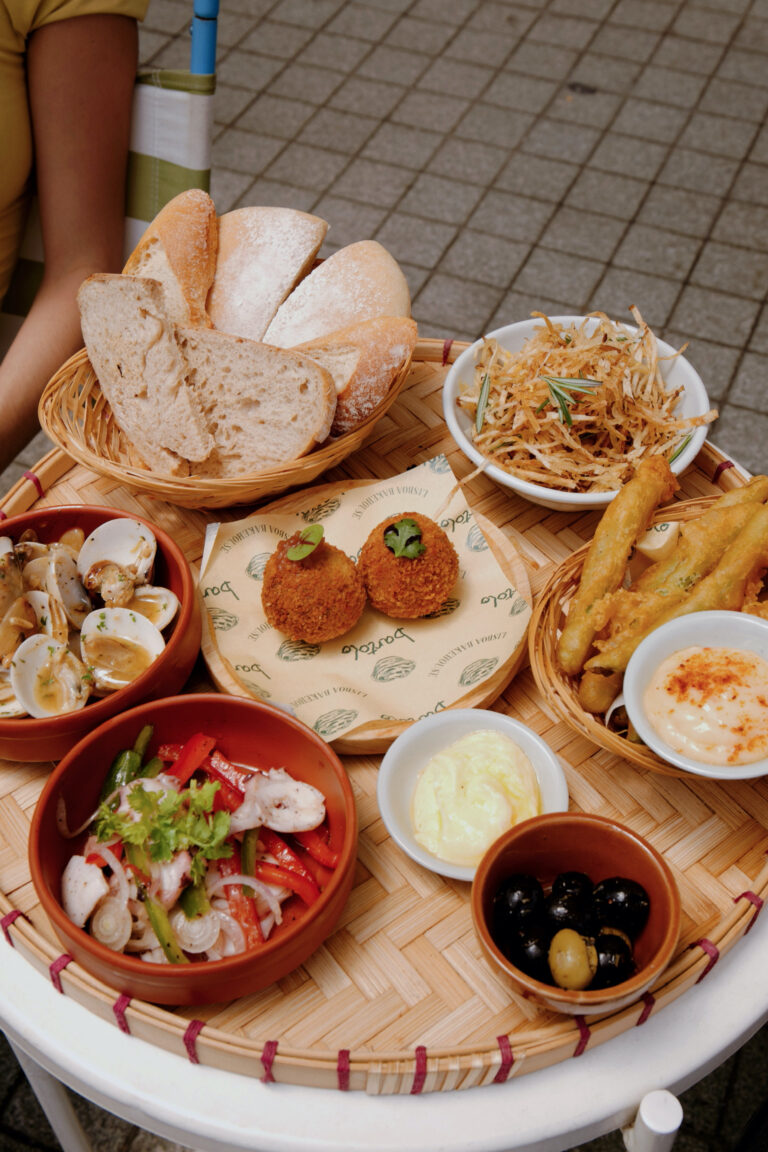
The food underneath all of it is honest Lisbon cooking. Petiscos — small Portuguese sharing plates — sit alongside bacalhau prepared the way it is in the tascas of Bairro Alto. And the pastéis de nata are made in-house: cold-proofed pastry rested for eight hours before it hits the oven, baked until the tops blister and the custard trembles when it comes off the tray. Each one costs RM 6.
To plan your visit or find out what’s on, check the events page or send us a message on WhatsApp.
Frequently asked questions
What is a bohemian bar and what should I look for in KL? A bohemian bar is a venue where culture, community, and a genuine point of view come before décor and turnover — usually in a heritage building, with live music or arts programming and a crowd that has made the place its own over time. In Kuala Lumpur, the areas to look are Central Market and Kasturi Walk, the older streets behind Bangsar’s commercial strip, and Chow Kit — places where creative communities and heritage spaces have had time to develop something with real character.
Is Bartolo Lisboa Bakehouse a good choice for a bohemian night out in KL? Bartolo sits on the mezzanine of Central Market, a gazetted heritage building dating to 1888, and runs weekly live jazz, salsa nights, poetry slams, and late Afterdark gigs — making it one of the most reliably programmed bohemian venues in the city. Thursday Jazz Jam is free entry; Afterdark tickets are RM 50 early-bird or RM 60 at the door.
What nights does Bartolo have live music? Thursday Jazz Jam runs every Thursday evening with a live quartet — Julian Chan on saxophone, Melvin Goh on piano, Wli Cheah on keys, and Amar Azalan on bass. Salsa nights, poetry evenings, and Afterdark gigs are spread throughout the month; the full schedule is on the events page.
Do I need to book in advance for a bohemian bar in KL? Walk-ins are welcome at most bohemian venues, and Thursday Jazz Jam at Bartolo is free entry with no booking required. For Afterdark gigs and salsa nights, booking ahead makes sense — tables fill quickly when a strong act is on. Message Bartolo on WhatsApp to secure a spot, or check the events page for advance ticket links.
Related reading: Where to Hear Live Jazz in Kuala Lumpur: The 2026 Guide