Live Jazz in Kuala Lumpur: A Guide to KL’s Best Thursday Night Sessions
Where to find live jazz in Kuala Lumpur on Thursday nights — including KL's longest-running jazz jam at Bartolo Bakehouse, Central Market.
Read Article →
Discover the culture, cuisine, and inspiration behind every dish — stories about traditions, ingredients, and the people who bring the spirit of Portugal to life.
5 min read
Where to find live jazz in Kuala Lumpur on Thursday nights — including KL's longest-running jazz jam at Bartolo Bakehouse, Central Market.
Read Article →
There was a time when finding live jazz in Kuala Lumpur on a weeknight meant a long drive to one of three or four hotel lounges, where the music tended to be safe and the audience tended to be there for the menu. That has changed.
A new generation of small venues in KL has built a real local jazz scene — informal, technically excellent, and centred around the Thursday-night jam: a Portuguese-style café in Central Market, an old hotel bar in Bukit Bintang, and a handful of newer spaces that are starting to find their crowd.
If you are looking for live jazz in KL on a Thursday, here is what you need to know.
Thursday is the unofficial start of the weekend in KL, and venues that are quiet on a Tuesday come alive on a Thursday. For jazz musicians specifically, Thursday has become the recurring “jam night” — an open rotating session where local players sit in, swap instruments, and play standards.
This is different from a booked-act night (where you pay to see a specific lineup play a specific set). A jam is loose, social, and ever-changing — the player sitting in on bass at 8 might be on piano at 10. For audiences, it is the most musically alive way to hear jazz.
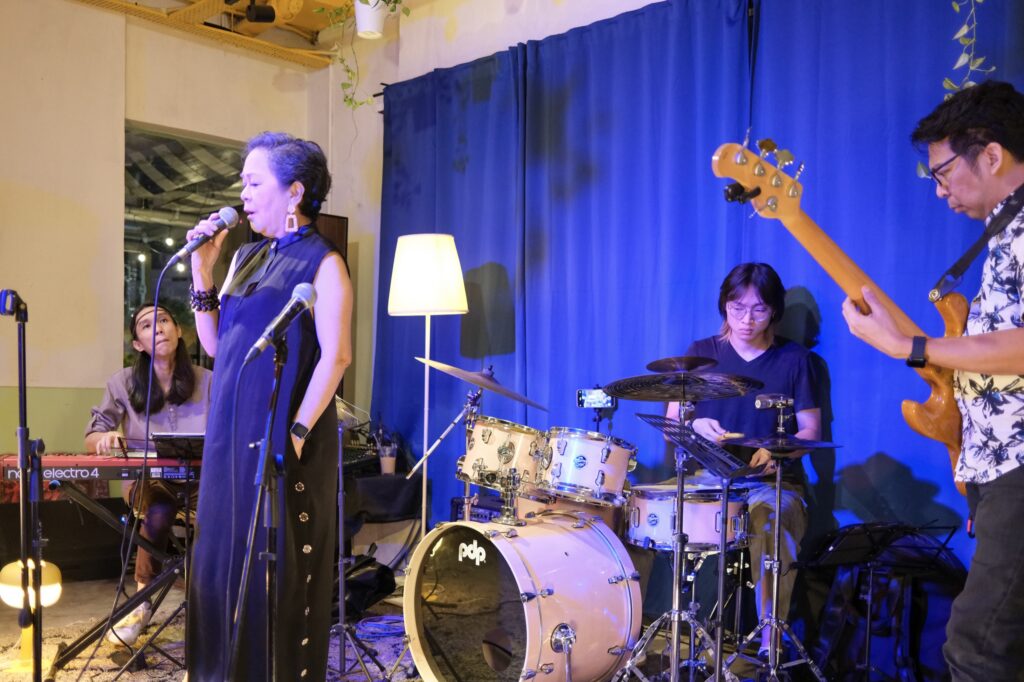
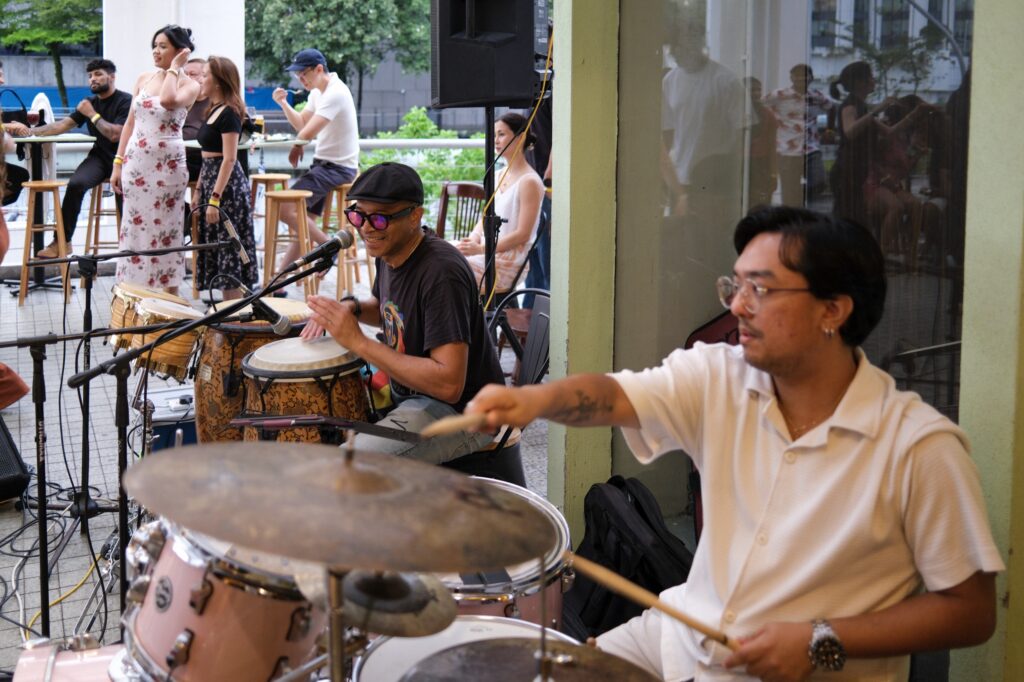
Bartolo’s Jazz Jam every Thursday has become one of KL’s longest-running open jazz sessions. The format is simple: a small house rhythm section starts the night around 7:30pm, and visiting players join in across the evening. By 10pm the band has rotated three times.
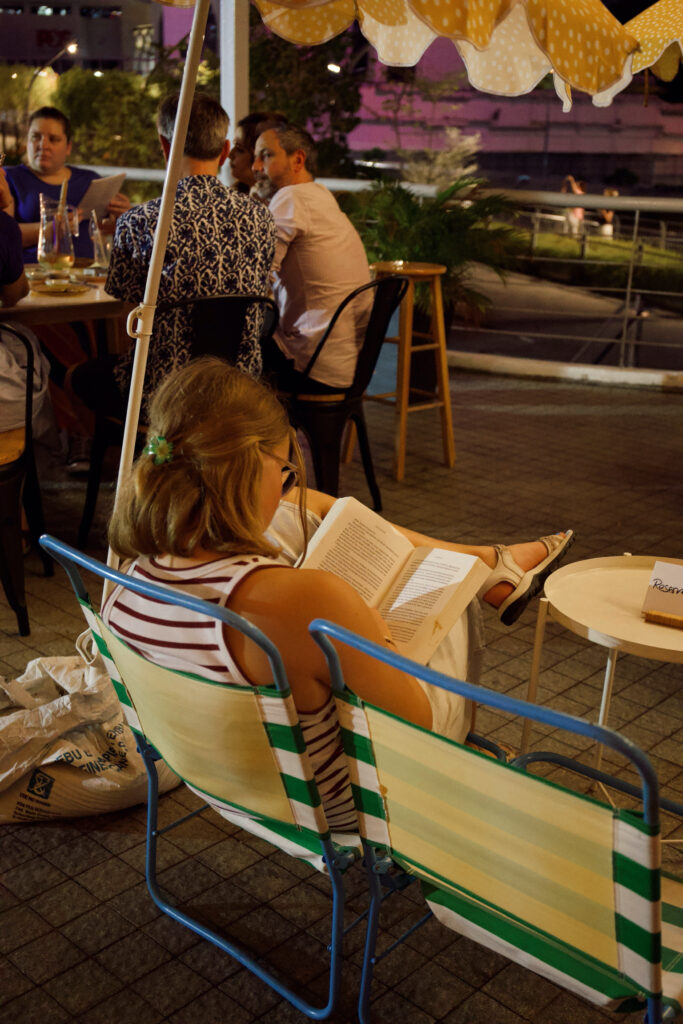
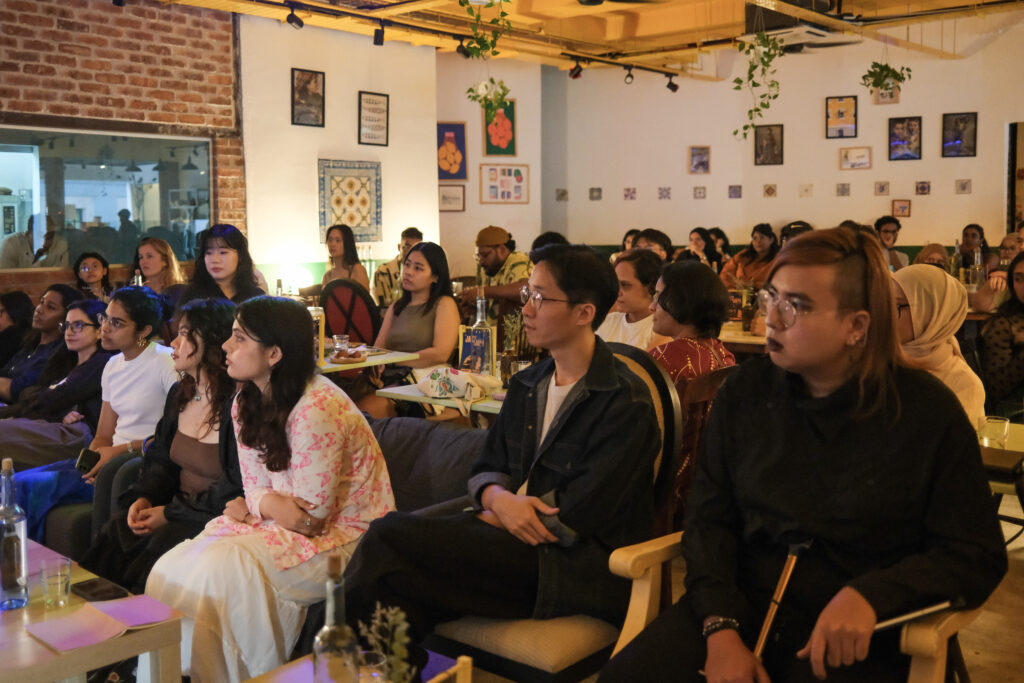
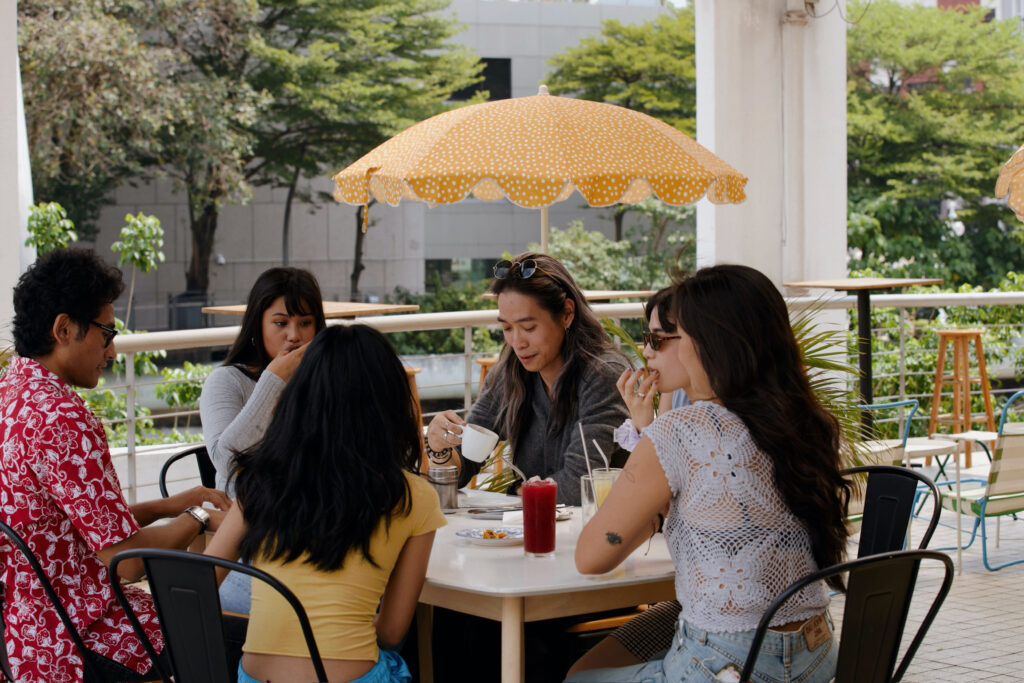
The venue is a Portuguese tasca with Lisbon-style tile work, a fully licensed bar, and an open terrace. Free entry. No cover charge. You order food and drink, you listen, you stay as long as you like.
Recent regulars on the bandstand include Julian Chan (sax), Melvin Goh (piano), Wli Cheah (keys), Amar Azalan (bass), Adriel Wong (drums), Fly Halizor (bass), Yvonne (vocals), and Zahid (drums).
When: Every Thursday, 7:30pm onwards Where: Bartolo, Central Market — Mezzanine, Lot 204-206 Cost: Free entry; pay for food/drinks Booking: Walk in, or reserve a table on WhatsApp for guaranteed seating
KL’s longest-established serious jazz venue. Books a different lineup most nights, with Thursdays often featuring touring acts. Cover charge typically RM30–60. Smaller capacity, more formal listening atmosphere.
Eclectic indie venue that hosts jazz nights periodically — usually one Thursday a month. Check their schedule before going.
Larger hotels (Mandarin Oriental, Le Méridien) book jazz quartets in their lobby bars on Thursdays, but expect classic standards rather than the local jam scene. Polished, expensive, predictable.
If you have never been to a jam night before, the rhythm is something like this:
Listeners are welcome to stay for one set or the whole night. There is no expectation of staying for the full thing.
A few simple things that make you a good audience member:
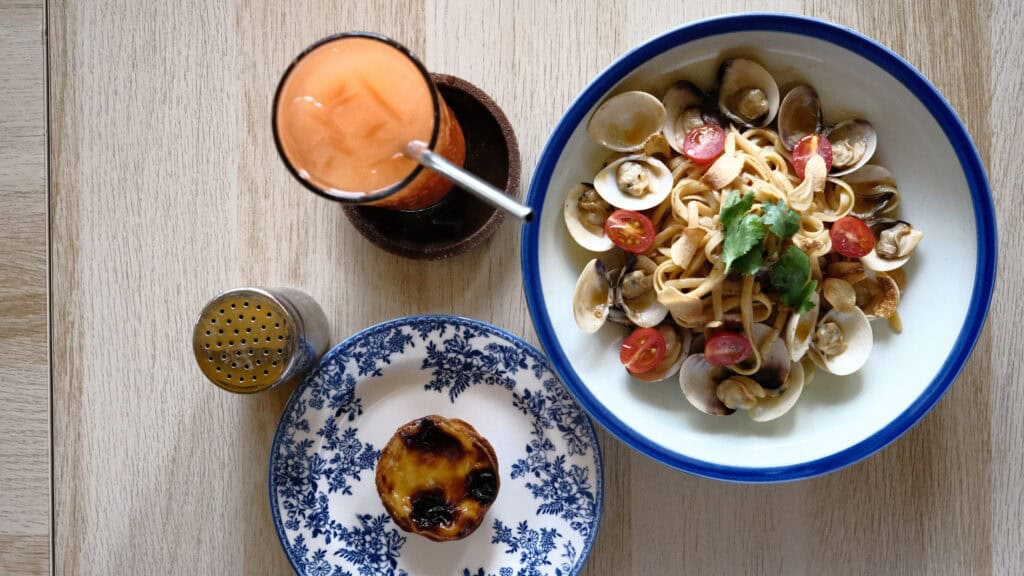
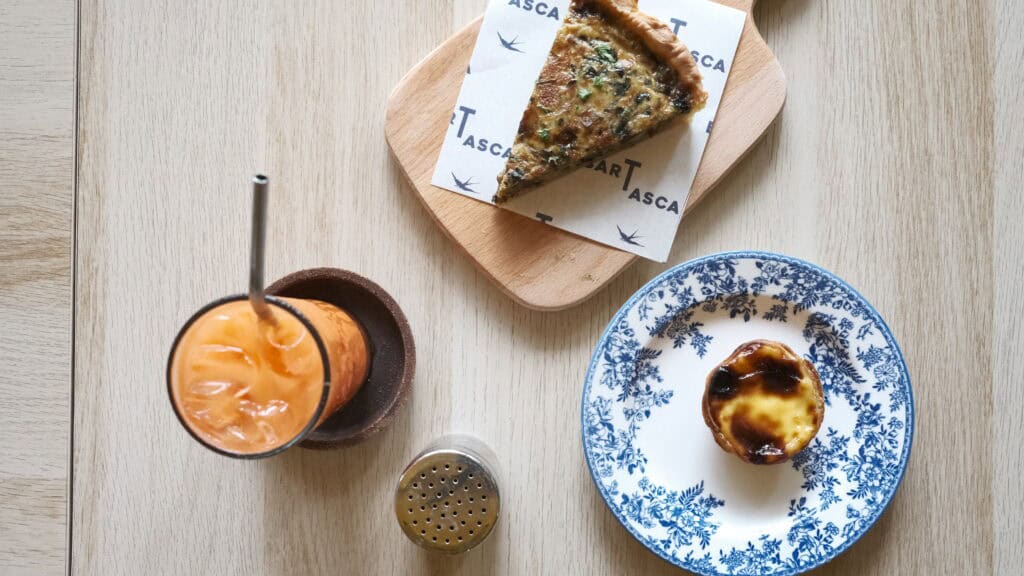
At Bartolo’s Thursday jam, the natural pairing is the petiscos sharing board (small plates, easy to eat between conversations) plus a glass of red. The pasteis de nata at the end go beautifully with a strong espresso, even at 11pm. The kitchen runs to last call.
The Thursday jazz jam is the regular weekly fixture, but Bartolo also runs themed nights through the month:
See the full events calendar → or follow @bartolobakehouse on Instagram for upcoming dates.
Is the Bartolo jazz jam free? Yes. There is no cover charge. You pay for whatever food and drink you order.
Do I need to book a table? Walk-ins are welcome. For guaranteed seating, especially if you are a group of 4+, message Bartolo on WhatsApp earlier in the day.
What time does the music start? Around 7:30pm. The room fills between 7:00 and 9:00pm.
Is it loud? Live but not deafening. You can hold a conversation between songs.
Can I bring my own instrument and sit in? Yes. This is a jam — visiting players are welcome. Talk to the house band when you arrive.
Where is the parking? Several options within 6 minutes’ walk of Central Market. See the parking guide on Visit Us →
6 min read
From bacalhau to bitoque, here are the 7 Portuguese dishes you have to try if you are eating in Kuala Lumpur —...
Read Article →
Portuguese cuisine is one of the great underrated food cultures of Europe. It is what happens when a country with one of the longest coastlines in the continent, a strong agricultural tradition, and 500 years of trade with Africa, Brazil, and Asia all sit down to dinner together.
For most of Kuala Lumpur’s history, the only way to eat it was on a plane to Lisbon. That has changed in the last few years. Here are the seven dishes any first-time visitor to Portuguese food in KL should try, and what makes each one a small piece of the country.
What it is: A small, flaky pastry shell filled with rich egg-yolk custard, baked at high heat until the top blisters and caramelises. Eaten warm, dusted with cinnamon and powdered sugar.
Why it matters: The recipe goes back to the early 1800s, originally made by monks at the Jerónimos Monastery in Lisbon. There is no Portuguese cuisine without it.
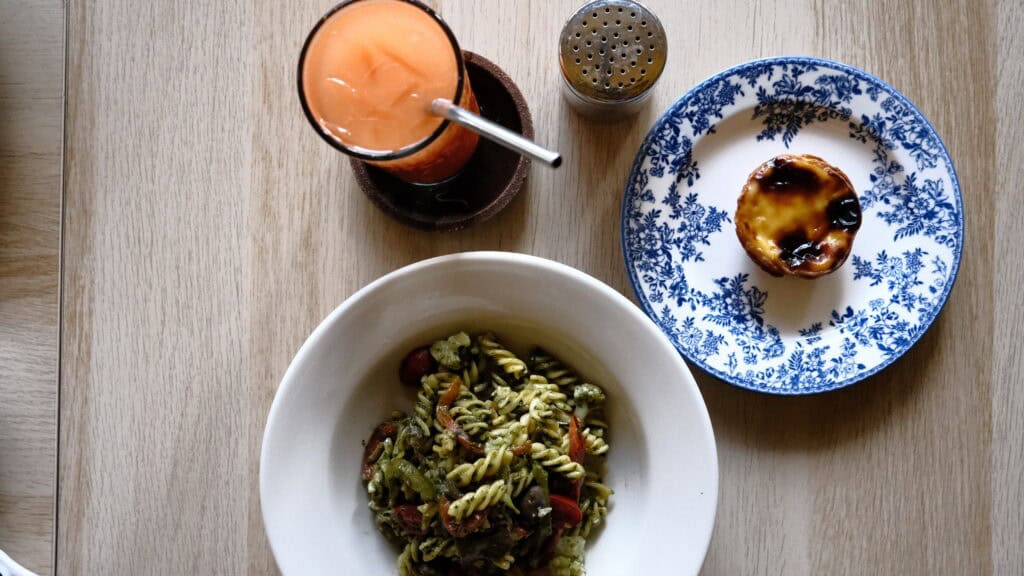
Where to try it in KL: Bartolo Lisboa Bakehouse bakes them fresh every morning at both Central Market and BSC. The classic is the one to start with — chocolate, matcha, and berry variations are also worth a try.
Read our complete guide to pastel de nata →
What it is: Salt-cured cod, traditionally air-dried for weeks, then rehydrated and cooked. The Portuguese say there is a different bacalhau recipe for every day of the year — 365 in total.
Why it matters: Bacalhau is so embedded in the culture that it has its own holiday rituals. Christmas Eve dinner in Portugal is consoada, and the centrepiece is bacalhau cozido — boiled salt cod with potatoes, cabbage, eggs, and olive oil.
Where to try it in KL: At Bartolo, the menu has several bacalhau dishes:
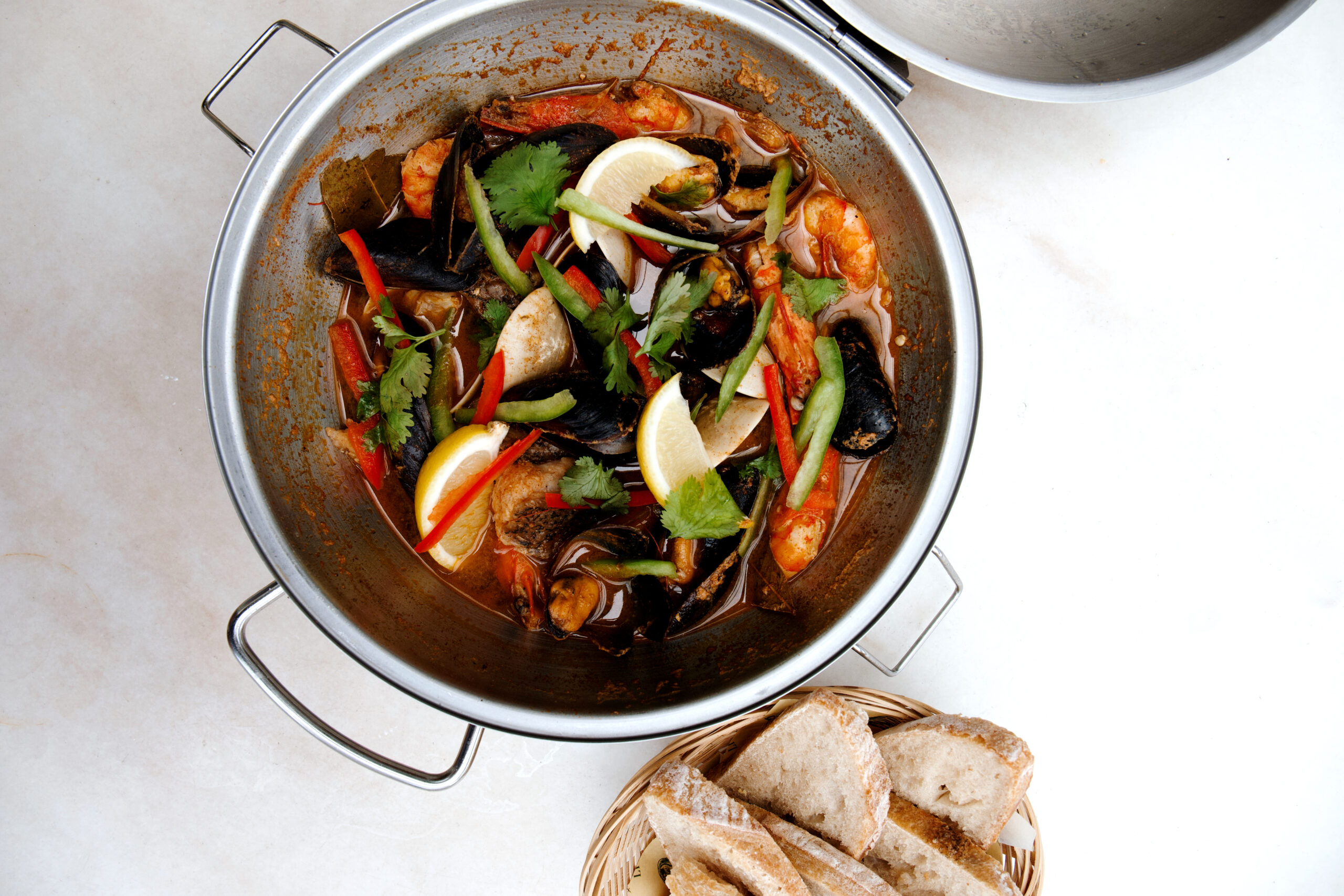
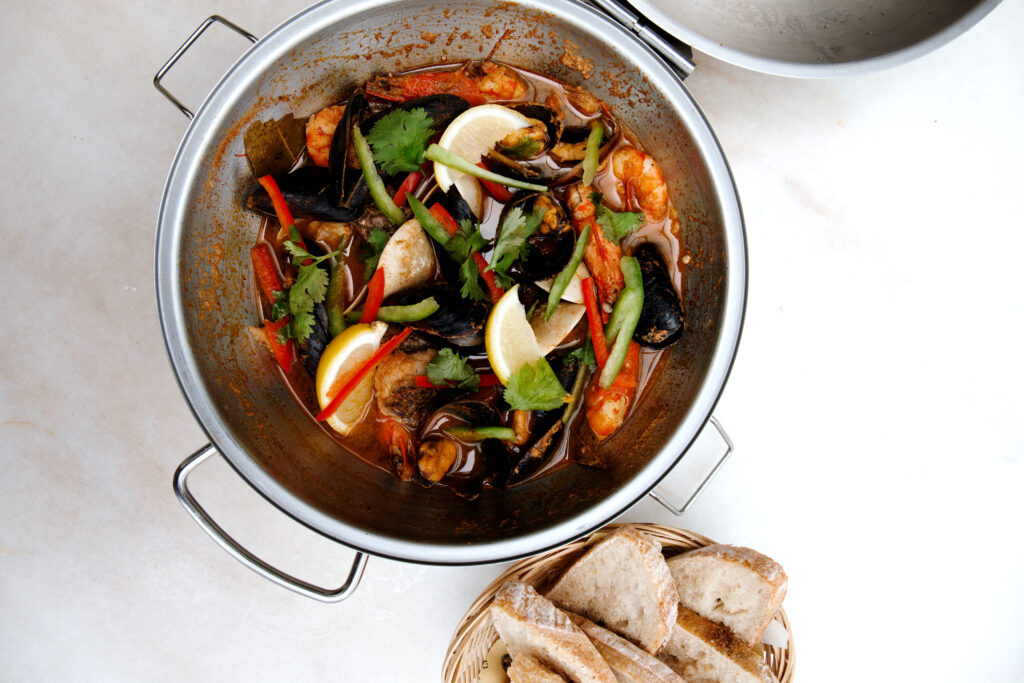
What it is: A clam-shaped copper pot filled with mussels, clams, tiger prawns, and white fish, sealed shut, and steamed over high heat. The lid comes off at the table — the steam carries garlic, white wine, and the unmistakable scent of the Atlantic.
Why it matters: The cataplana pot itself is centuries old, originally Moorish, adapted for Portuguese seafood. The technique seals in every drop of flavour.
Where to try it in KL: At Bartolo’s Central Market location, the cataplana sea stew is on the Specials menu — available for 2 or 4 people. Order an hour ahead if you want it as the centrepiece of a celebration meal.
What it is: A 200g ribeye, pan-seared, served on a hot plate with a fried egg on top, french fries, white rice, and a sauce made of butter, garlic, and white wine that the Portuguese call simply molho de bitoque.
Why it matters: This is what Portugal eats for lunch. Every tasca makes their own version. Often served with a glass of house red, a salad, and bread.
Where to try it in KL: Bartolo’s bitoque uses the family’s secret bitoque sauce. Order it for lunch or dinner — it is one of the most-loved dishes on the menu.
What it is: A multi-layered sandwich from Porto, made with bread, ham, cured turkey ham, ribeye steak, chicken sausage, and pepperoni — all stacked, covered with melted cheese, and drowned in a tomato-and-beer sauce. Served with chips on the side.
Why it matters: Invented in the 1950s in Porto by an emigrant returning from France (hence “little French girl”), it is now Porto’s most famous dish.
Where to try it in KL: Bartolo serves the Francesinha on the Specials menu. It is a serious dish — best shared, or eaten as a complete meal in itself.
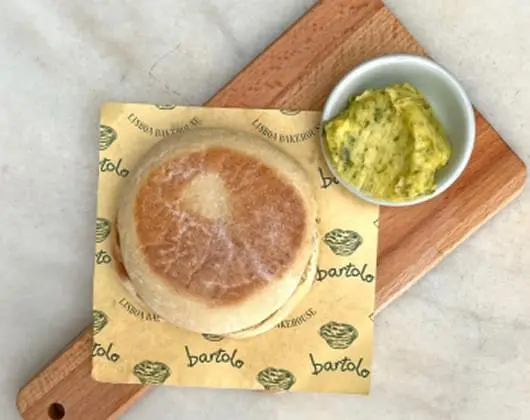
What it is: A round, soft flatbread originally from Madeira, made with sweet potato and wheat flour, traditionally cooked on a hot stone. Served with garlic-and-parsley herbed butter.
Why it matters: It is the bread Portuguese people eat when they want to be transported home. The texture is unlike any other bread — yielding, slightly sweet, comforting.
Where to try it in KL: At Bartolo, bolo do caco with herbed butter is one of the simplest and most-loved items on the menu. Also used as the bun for several sandwich items including the codfish burger and tuna steak.
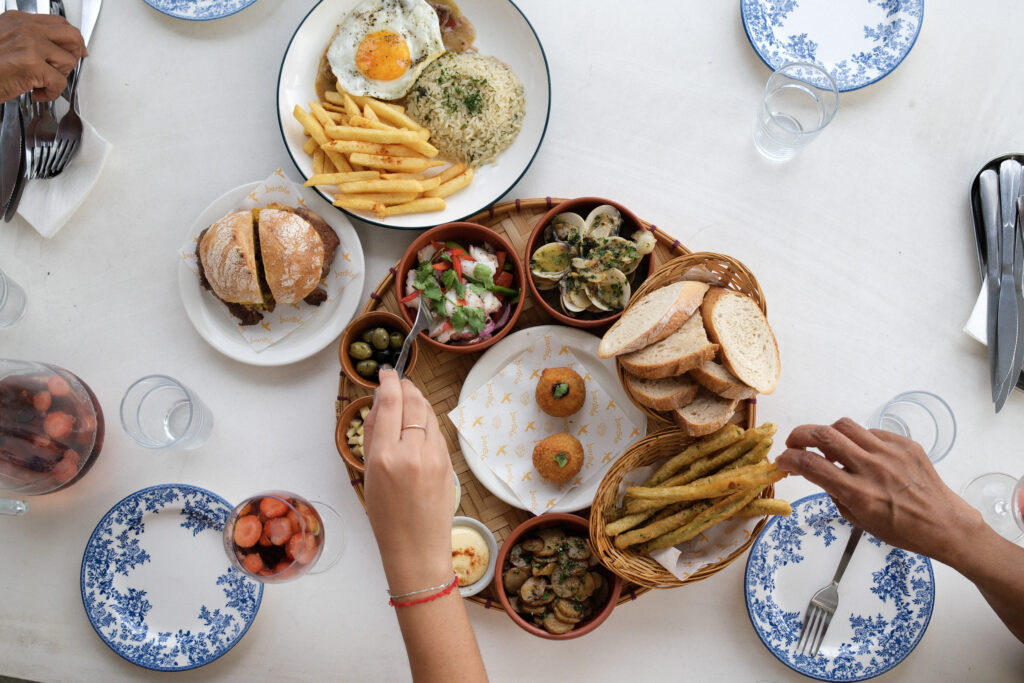
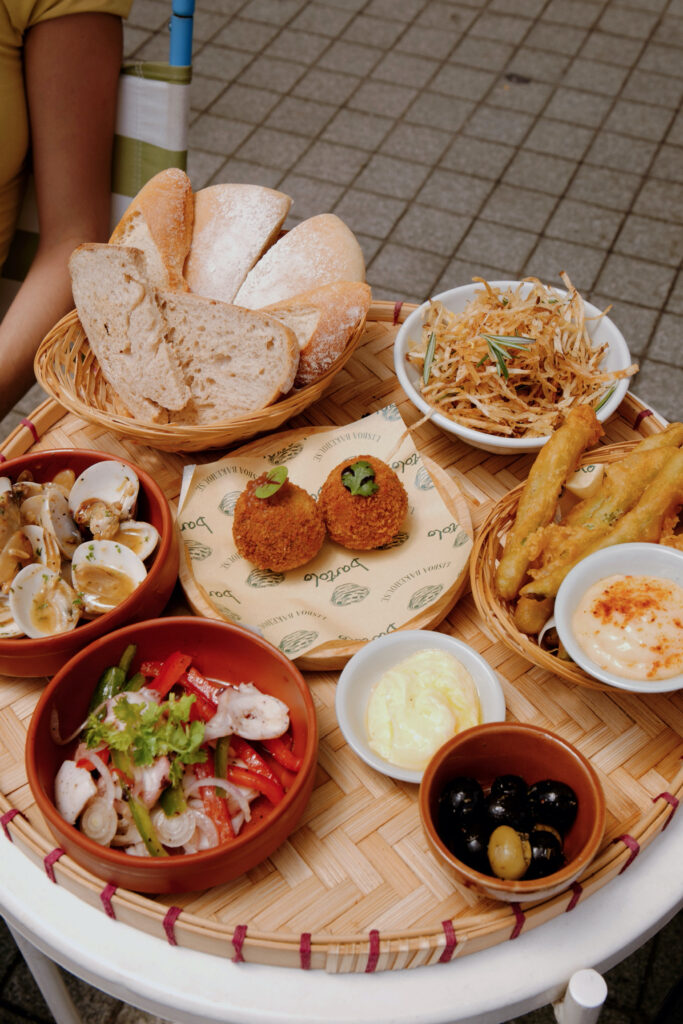
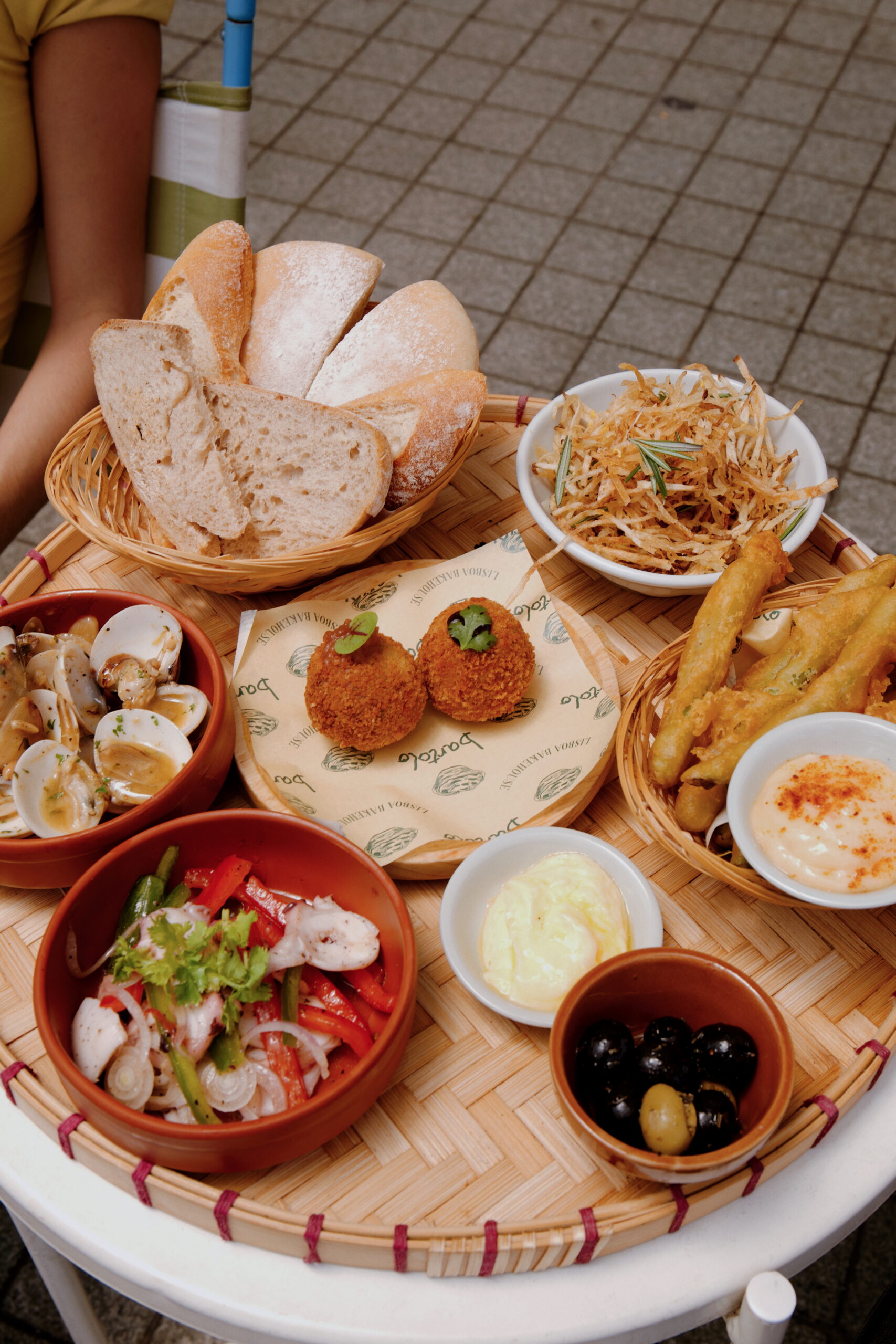
What it is: Not a single dish but a way of eating. A spread of small plates — cured meats, cheeses, marinated olives, fried croquettes, grilled sardines, octopus salad — meant to be ordered in batches and shared around the table.
Why it matters: This is how Portugal actually eats. A tábua de petiscos (literally “petiscos board”) is the centrepiece of a Portuguese meal. It is closer to mezze than to tapas, and far more generous than either.
Where to try it in KL: Bartolo’s Tábua Petiscos is built for groups — bread, octopus salad, clams, croquettes, butter, marinated olives, peixinhos da horta (tempura green beans), matchstick lemon-rosemary fries, all on one board. The right way to start a meal with friends.
If you have one dinner to spend on Portuguese food in KL, here is how to do it properly:
If you are eating alone, simplify: bolo do caco with butter to start, the bitoque for the main, pastel de nata to close. Allow 90 minutes, minimum.
Is Portuguese food spicy? Generally no. The Portuguese use piri-piri (a small chili) for some dishes, but the cuisine is built around herbs (parsley, coriander, bay), garlic, and olive oil rather than heat.
Is Portuguese food healthy? By Mediterranean diet standards, yes — heavy on seafood, olive oil, vegetables, and unprocessed grains. Less butter and cream than French cooking. Portion sizes are honest, not gigantic.
Is Portuguese food halal-friendly? Many dishes are halal-friendly (seafood, vegetable-forward dishes, the bread course). Pork features in several dishes (bifana, some petiscos). Bartolo can accommodate halal preferences for groups — ask when booking.
What is the difference between Portuguese food and Spanish food? They share roots but have evolved differently. Portuguese food is more Atlantic-facing (heavy seafood, salt cod, less rice), more African-influenced (piri-piri from Angola, palm oil), and has its own dessert tradition (egg-yolk-rich doces conventuais). Spanish food is more Mediterranean, more pork-forward, and lighter on bread.
5 min read
A tasca is a Portuguese neighborhood eatery — small, family-run, no pretense. Here is how the tradition works and where to find...
Read Article →
If you ask a Lisbon native where they eat dinner, the answer is rarely a restaurant. It is a tasca. Pronounced TASH-ka, the word describes something Portugal has built its entire eating culture around — a small, family-run eatery where the wine is house wine, the menu changes with the weather, and the host is also the cook.
There is no English equivalent. “Bistro” is too French. “Tavern” implies more drinking than eating. “Hole-in-the-wall” gets the size right but misses the warmth. So we say tasca and let the word do its own work.
The word tasca is thought to come from the Latin tasca, meaning a measure or portion — likely referring to the small portions of food and wine served in these places. They emerged in working-class neighbourhoods of Lisbon and Porto in the 19th century, originally as places where labourers could buy a glass of wine and a plate of grilled sardines for almost nothing on the way home from work.
Over time, the tasca became something more cultural than economic. It is where families eat on Sundays. Where neighbours meet. Where the food does not change because there is no reason to change it — the bacalhau à brás has been right since the 1950s, and the moelas (chicken gizzards in tomato stew) was perfected by someone’s grandmother who is no longer here to ask.
| Restaurant | Tasca |
|---|---|
| Trained chef | The owner cooks |
| Printed menu | A blackboard, often updated daily |
| Reservations expected | Walk in, sit down |
| Tablecloths | Bare tables, sometimes paper |
| Wine list | House red and house white |
| Tasting menu | Maybe seven dishes total, all great |
| Quiet, refined | Loud, conversational |
A tasca is not “casual fine dining.” It is something earlier than that distinction — closer to eating in someone’s living room than in a commercial space. The pleasure is in the lack of pretense.
The menu of a true tasca is small and hyper-traditional. You will see most of these:
The drinks list is just as short: house red, house white, vinho verde (a young, lightly fizzy white from the north), beer, espresso, and Portuguese aguardente or port if it is late.
For a long time, KL did not have a true Portuguese tasca. There were Portuguese-Eurasian restaurants in Melaka, but those reflect a 500-year-old cultural blend — different food, different mood, equally beautiful. What was missing was the Lisbon-style tasca: small, family-run, recipe-driven, with proper petiscos and a counter you could lean on with an espresso.
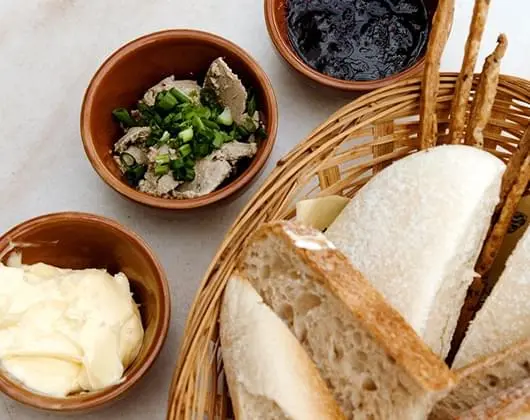
Bartolo Lisboa Bakehouse at Central Market was built with that gap in mind. The team set out not to recreate fine Portuguese dining, but to recreate the everyday Portuguese eating culture — the rhythm of a meal that opens with breads and dips, moves through petiscos, and lingers over coffee and a pastel de nata.
You can see it in the small details: the heavy ceramic plates. The azulejo tile work on the walls. The choice to serve moelas & grapes at all (a very tasca dish, almost never on Western menus). The tábua de petiscos sharing board for groups. The way the menu lists vinho verde before any other wine.
The full menu is here — but it reads better in person, with someone walking you through what is fresh that day.
Two unspoken rules:
If you visit Bartolo, do this: order the Tábua Petiscos (the sharing board), pour a glass of vinho verde, eat slowly, and stay for an espresso and a pastel de nata. You have done it right.
How do you pronounce tasca? TASH-ka. The “s” sounds like “sh” in standard European Portuguese.
Is a tasca the same as Spanish tapas? No, but they are cousins. Spanish tapas are small individual plates served with drinks, often in bar-hopping style. Portuguese petiscos are similar small plates, but a tasca is a kind of restaurant — a setting — rather than a way of eating.
Are tascas only in Portugal? Traditionally yes — but the tradition has spread to a few cities with strong Portuguese diasporas (London, Toronto, Boston) and, more recently, to KL.
Do tascas take reservations? In Portugal, rarely. Just walk in. In KL at Bartolo, walk-ins are welcome and reservations help during weekend dinner.
What should I order on a first visit? Bread with dips, the croqueteria selection (small fried bites), one petisco like moelas or gambas à guilho, one main like bacalhau à brás, and finish with pastel de nata and espresso.
5 min read
Discover what makes a true pastel de nata, why Lisbon's recipe is unmatched, and where to find the best version of Portugal's...
Read Article →
It is a small thing, this tart. The size of a coin pressed flat. Crisp, blistered, golden brown on top — and inside, a custard so rich it almost trembles when you bite in. The Portuguese have been making pastel de nata for nearly four centuries, and in every café from Lisbon to Porto you will find people eating one with a strong espresso, almost as a ritual.
If you live in Kuala Lumpur and you have not yet tried a properly made pastel de nata, this guide is for you.
A pastel de nata (plural: pastéis de nata) is a Portuguese egg-custard tart made with a flaky, multi-layered puff pastry shell and an egg-yolk-rich custard filling that is baked at very high heat. The intense heat caramelises the surface — those characteristic dark spots are not burns, they are the sign of a properly made nata.
The word pastel simply means pastry. Nata means cream. Together, “cream pastry” — but the name does not begin to describe the texture.
A great pastel de nata has three things working together:
The story begins in the early 1800s at the Mosteiro dos Jerónimos, a monastery in the Belém district of Lisbon. The monks needed egg whites to starch their habits and clarify wine. The leftover yolks went into pastries — and over time the nuns and monks of Portugal turned this surplus into an entire genre of sweets called doces conventuais (conventual sweets).
When the monastery closed in 1834, the recipe passed to a nearby sugar refinery, and from there to a bakery that still operates today: Pastéis de Belém. Their version uses the original recipe, kept secret to this day. Every other pastel de nata in Portugal is, technically, a respectful imitation.
This is one of the most-Googled questions about Portuguese pastry, and the answer is simple:
In flavour and form, they are essentially the same dish. Some people say the Belém version has a slightly thicker crust and a less sweet custard. Most people, blindfolded, cannot reliably tell the difference.
There are conventions in Portugal that elevate a pastel de nata from “snack” to “small ritual”:
For most of the last decade, pastel de nata in KL meant a frozen import or a pale supermarket version. That has changed.
Bartolo Lisboa Bakehouse at Central Market bakes pastel de nata fresh every morning to an authentic Lisbon recipe — flaky shell, just-set custard, blistered tops. The same recipe is used at the Bangsar location (BSC).
What sets it apart locally:
You can view the full pastel de nata range on the menu or order in bulk via WhatsApp.
Beyond the classic, Portuguese bakeries have started experimenting. The most successful variations preserve the original custard:
What does pastel de nata taste like? Rich egg custard, lightly sweet, with a flaky, slightly salted pastry shell. The caramelised top adds a faint bitterness that balances the sweetness — like a high-end crème brûlée in pastry form.
Is pastel de nata gluten-free? No. The pastry uses wheat flour. Gluten-free versions exist but are rare and the texture is different.
Can I freeze pastel de nata? Yes — best eaten within a month. Reheat in a hot oven (220°C) for 5 minutes to restore the crisp shell. Microwave makes the pastry soggy.
What is the best time of day to eat one? Mid-morning in Portugal — with espresso. In KL, anytime — but warm from the oven is always best.
How is pastel de nata pronounced? Pa-SHTEL de NA-tah (Portuguese pronunciation). The plural pastéis de nata is pa-SHTAY-iss de NA-tah.
2 min read
From the iconic pastel de nata to grandmother’s pao-de-lo, a tour of the Portuguese sweets we bake every morning at Bartolo.
Read Article →
If there is a single image that captures Portuguese baking, it is the pastel de nata — that small, perfect tart of flaky, blistered pastry cradling a custard set with caramelised egg yolk. At Bartolo, we bake them fresh every morning to a recipe that traces its lineage back to the convents of Lisbon, where nuns famously used egg yolks for sweets after the whites had been spent starching their habits.
But the world of Portuguese desserts is far broader than the nata. Step into our display counter on any given morning and you might find pão-de-ló, a sponge cake so rich and yielding it almost trembles when you cut it — ours is finished with truffle olive oil and fleur de sel, a Bartolo twist that honours the tradition while bending it toward the present.
Many of these recipes belong to a tradition Portuguese pastry chefs call doces conventuais — conventual sweets. They are heavy with eggs, sugar, almonds, and time. The almond tart, the toucinho do céu (literally “bacon from heaven”), the queijadas of Sintra — each carries the fingerprint of a particular region and the patience of a slower era.
We treat these recipes with the same reverence we bring to our breads and our mains. The flavours are bold; the textures are uncompromising. But every dessert that leaves our kitchen is meant to feel like the one your grandmother might have made — if your grandmother had grown up in Lisbon and known exactly when to pull the tart from the oven so the top blistered just so.
Come by in the morning for the warm ones. They taste different straight out of the oven — and we think that’s worth getting out of bed for.
2 min read
Why we still cook the way our grandmothers did — and the small ways Bartolo bends those traditions toward Kuala Lumpur.
Read Article →
Walk into a Portuguese kitchen and you find very few shortcuts. Sauces are reduced, never thickened. Bread is torn, never sliced. The cataplana sits over the flame for as long as the seafood needs, and not a minute less. At Bartolo, we have built a menu around that patience.
Our bitoque — a 200g ribeye finished with the family’s secret bitoque sauce, served over rice and french fries — is exactly the dish you would find in a quiet tasca off a side street in Por
to. Our francesinha takes hours to assemble: ribeye, cured turkey ham, chicken sausage, pepperoni, all layered into bread and drowned in a tomato-and-beer sauce that is closer to alchemy than recipe.
Many of these dishes came to us through grandmothers and aunties who learned them in their own grandmothers’ kitchens. We didn’t invent the cataplana, the bacalhau à brás, the moelas & grapes — we inherited them. Our role is to cook them honestly, with the right ingredients, and to plate them in a way that lets a guest in Kuala Lumpur taste exactly what a guest in Lisbon would taste.
Tradition does not mean rigidity. We use locally caught seafood when it makes the dish better. We adapt portion sizes for sharing, because that is how our guests love to eat here. But the spine of every recipe — the technique, the timing, the soul of it — is unchanged.
That is what we mean by tradition on every plate.
2 min read
Sharing, lingering, and the rhythm of a Portuguese meal — what makes a tasca different from a restaurant.
Read Article →
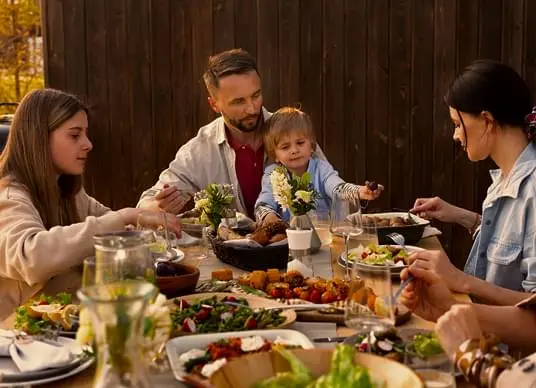
To eat the Portuguese way is to surrender your watch at the door. A meal isn’t a transaction; it is a slow, generous opening of plates — one after another — until the table is a small landscape of breads, olives, cured meats, and conversation. We call this style of eating petiscos, and it sits at the heart of what we do at Bartolo.
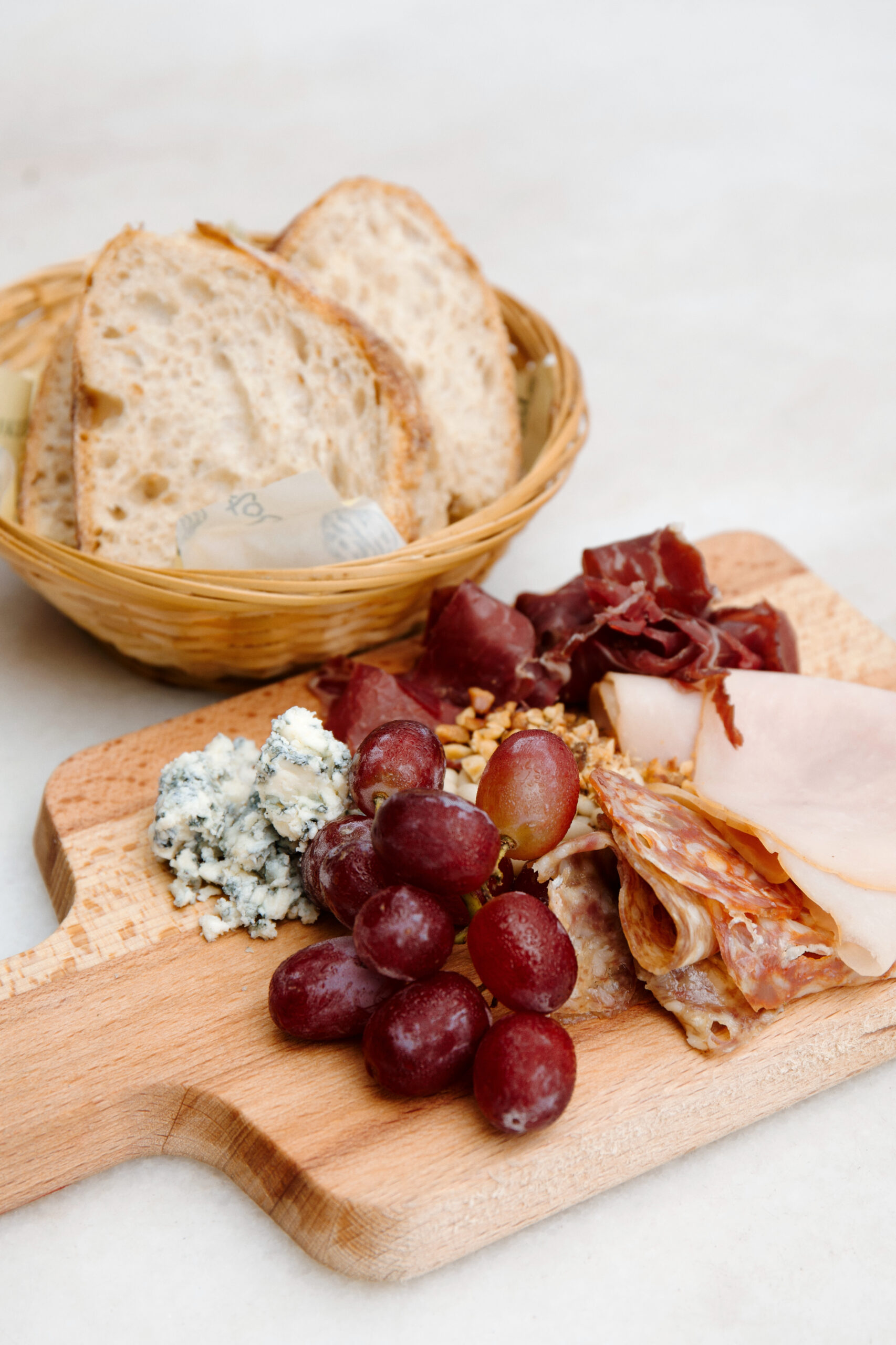
Petiscos are Portugal’s answer to tapas, but with their own quieter, richer character. A wedge of queijo da serra, sliced almonds, a sliver of presunto. Codfish fritters straight from the fryer. A bowl of moelas — chicken gizzards stewed in tomato — that you scoop up with bread without ever putting your fork down.
The Portuguese word tasca describes the kind of place where this culture thrives. A tasca is small, unfussy, family-run. The wine is house wine; the menu changes with the weather; the host is also the cook. There is no pretense and there is no rush. People come to be fed, but also to be among each other.
We built Bartolo with that spirit in mind. The tile work, the warm lighting, the heavy ceramic plates — these are not just decoration; they are an invitation to behave a certain way. Order more than you think you can finish. Stay longer than you planned. Order another coffee. Let the conversation outlast the food.
The Portuguese have a word for that lingering after a meal: sobremesa. It literally means “over the table” — that stretch of conversation when the dishes are cleared but no one wants to leave. We hope you find some of yours here.
2 min read
Inside the Bartolo kitchen — the small, slow choices that turn a recipe into a dish.
Read Article →
Most of what makes a dish at Bartolo memorable happens long before it reaches your table. Our breads begin the night before, with sourdough that ferments slowly to develop the depth that makes the crust crackle. Our dips — the romesco, the pesto, the herbed butter — are made fresh in-house, in small batches, every morning.
We don’t buy pre-made stocks. We don’t open jars of sauce. The sangria you drink in the afternoon was steeping in our kitchen at sunrise. The custard for the natas is whisked by hand. These choices add hours to our day, and they are the only reason the food tastes the way it does.
We source local where we can and import where we must. Our sardines are cured in-house using a recipe handed down from the Algarve coast. Our beef for the bitoque comes from suppliers we have known for years. The alheira sausage in our brunch — smoked poultry and beef seasoned the traditional way — is one of the few things we still bring in directly from a producer in northern Portugal, because no one else makes it quite right.
Behind every plate is a cook who understands what the dish is supposed to feel like. That can’t be written into a recipe; it has to be taught, shift after shift. Our team trains together, eats together, tastes together. When a new dish goes on the menu, the whole kitchen has tasted it twenty times before a guest ever sees it.
This is the unglamorous, slow work of crafting food we are proud to serve. It is also the reason we look forward to opening every morning.
2 min read
A pour-by-pour guide to the Portuguese wines on our list — from crisp Vinho Verde to the deep reds of the Douro.
Read Article →
Portugal makes some of the most distinctive and underrated wines in the world. Tucked between the Atlantic and the mountains, its vineyards grow grape varieties — Touriga Nacional, Alvarinho, Baga, Encruzado — that you will find almost nowhere else. At Bartolo, our wine list is built to take you on a tour of these regions, one glass at a time.
We start in the north, with Vinho Verde — a young, lightly effervescent white from the Minho region. It is refreshing, low in alcohol, and pairs beautifully with petiscos and seafood. From there we travel south through the Dao and Bairrada regions, whose reds offer bright fruit and surprising elegance.
Our reds are anchored by the Douro Valley, the steep terraced vineyards along the Douro River that produce both Port and some of the world’s most ageworthy table wines. A Douro red made from the same grapes that go into Vintage Port is a thing to behold — deep, structured, layered with dark fruit and subtle spice. It is the wine to drink with our cataplana or our bitoque.
For those who like their wines bigger and bolder, we also pour from the Alentejo, the warm plains of southern Portugal. These wines are sun-soaked, generous, and pair effortlessly with grilled meats and sharing plates.
And for an after-dinner moment, ask about our small selection of Ports — Tawny, Ruby, sometimes a Late Bottled Vintage. A small glass alongside a pastel de nata is one of the simplest pleasures in Portuguese cuisine. We’d love to pour one for you.
2 min read
From the Atlantic to your plate — the seafood traditions Bartolo brings from the Portuguese coast to Kuala Lumpur.
Read Article →
Portugal has the longest coastline in continental Europe, and seafood has been at the heart of its cooking for as long as anyone can remember. From the rugged northern fishing villages to the warm waters of the Algarve, every region has its own specialty — and those specialties are the backbone of our menu at Bartolo.
Our most-loved seafood dish is the cataplana — a copper clam-shell pot, sealed shut and set over high heat, that turns mussels, clams, tiger prawns, and grouper into something greater than the sum of its parts. When the lid comes off at your table, the steam carries garlic, white wine, and the unmistakable scent of the sea.
No conversation about Portuguese seafood is complete without bacalhau — salted cod. The Portuguese famously claim to have a different bacalhau recipe for every day of the year, and at Bartolo we serve a few of them: bacalhau à brás, the classic with shredded cod, eggs, matchstick fries, and black olives; the spiritual codfish, baked with carrots in a creamy sauce; and our codfish burger, served on a squid-ink bolo do caco.
We also serve dishes that are quieter on the menu but no less essential. Our housemade canned sardines are cured and marinated in-house using wild-caught fish. Our gambas à guilho — tiger prawns swimming in garlic butter — arrive sizzling, the kind of small dish that turns a meal into an event.
None of this would be possible without good sourcing. We work closely with local suppliers to get fish that is as fresh as the Portuguese coast and as honest as the recipes that have been carrying it for generations.
As Featured In