There is a version of a night out in Kuala Lumpur that you have probably lived through more than once. It starts somewhere in Bukit Bintang. There is a queue. Inside, the music is loud enough to make conversation impossible and the drinks cost as much as a meal. By midnight you are tired — not because anything happened, but because nothing did.
In short:
- The best cool places for a night out in Kuala Lumpur are not on the obvious circuit — they are in heritage buildings, arts corridors, and mezzanine rooms that the rooftop crowd has not yet found.
- A genuinely good night in KL combines live music you can hear yourself think through, food that earned its place on the menu, and a crowd that came for the thing itself rather than the photo.
- Bartolo Lisboa Bakehouse sits on the mezzanine of Central Market, running Thursday Jazz Jams with free entry, salsa nights, poetry slams, and Afterdark gigs alongside Lisbon cooking that holds its own in any company.
Why KL’s coolest nights rarely happen in the obvious spots
The most interesting nights out in Kuala Lumpur happen in rooms that do not advertise themselves — heritage spaces, arts buildings, and upper-floor venues that the rooftop-bar crowd has not bothered to find. Bukit Bintang has its place. On the right night, the energy on Jalan Alor alone is worth the trip, and the views from the towers are genuinely spectacular. But a spectacular view and a crowded bar are not the same thing as a good night out. They share a surface resemblance and that is about it.
The problem with the obvious circuit — rooftop cocktails, Changkat after midnight, the clubs off Jalan P. Ramlee — is not that these places are bad. It is that they are interchangeable. The same DJ sets, the same drink specials, the same crowd checking their phones. You could drop that room into Bangkok or Jakarta and nothing about it would need to change.
What KL actually has, if you look past the first page of results, is something more interesting: a live-music scene that has been quietly building for years, heritage buildings that survived the city’s appetite for redevelopment, and pockets of culture that have not yet been packaged for mass consumption. The city’s real personality lives in those places. Getting to them requires only a small detour from the obvious.
What makes a night out in KL actually worth remembering?
A night out in KL that stays with you tends to involve three things the clubs rarely offer: music you can hear yourself through, food that means something, and a room where strangers end up in conversation. This sounds simple. It turns out to be rarer than it should be.
The live-music question matters more than people admit. There is a real difference between a venue that has music and a venue built around music. At a venue built around music, the set list matters, the musicians are introduced, and the room is arranged so that the piano carries as clearly as the bass. These rooms exist in KL — you just need to look past the hotel-lobby jazz and the endless covers circuit to find them.
Food is the other variable. KL’s food culture is extraordinary by almost any measure, but late-night eating around the entertainment strips tends to mean hawker food grabbed between bars or overpriced hotel snacks. A place that takes its kitchen as seriously as its programme — where the bread came out of a proper oven, where the salt cod was soaked for the right number of hours — is a different thing entirely. It earns its place in a night rather than just filling a gap.
The crowd follows from both. Good music and food that requires care attract people who came for the thing itself, not the opportunity to document it. These are the rooms where you end up staying two hours later than you intended.
Where do KL locals go when they want something genuinely different?
When KL locals want a night that does not feel recycled, they tend to gravitate towards the city’s heritage and arts corridors — Central Market, the Zhongshan Buildings cluster in Chow Kit, and the quieter end of Bangsar — where venues have built their identity around culture rather than capacity. These areas share a quality that is harder to manufacture than a good sound system: they were made by people who live here, for people who live here.
Central Market is the clearest example of what KL gets right when it tries. The building has stood since the 1880s, originally a wet market, preserved rather than demolished when the area was redeveloped in the 1980s. The art deco bones remain. Inside, across three floors, you will find batik studios, craft vendors, and — on the mezzanine — a handful of venues that have made the heritage space their own.
The Zhongshan Buildings in Chow Kit offer a similar axis: independent galleries, a record shop or two, and a covered walkway that fills up on weekends with a crowd that is specifically there rather than drifting in from somewhere else. Bangsar’s quieter streets, away from the main strip, have that quality too — wine bars run by people who care about wine, restaurants that opened because someone actually wanted to cook.
What all these places have in common is that the atmosphere is not a design decision. It accumulated. That is the difference between a room with character and a room with a concept.
Where Bartolo fits in
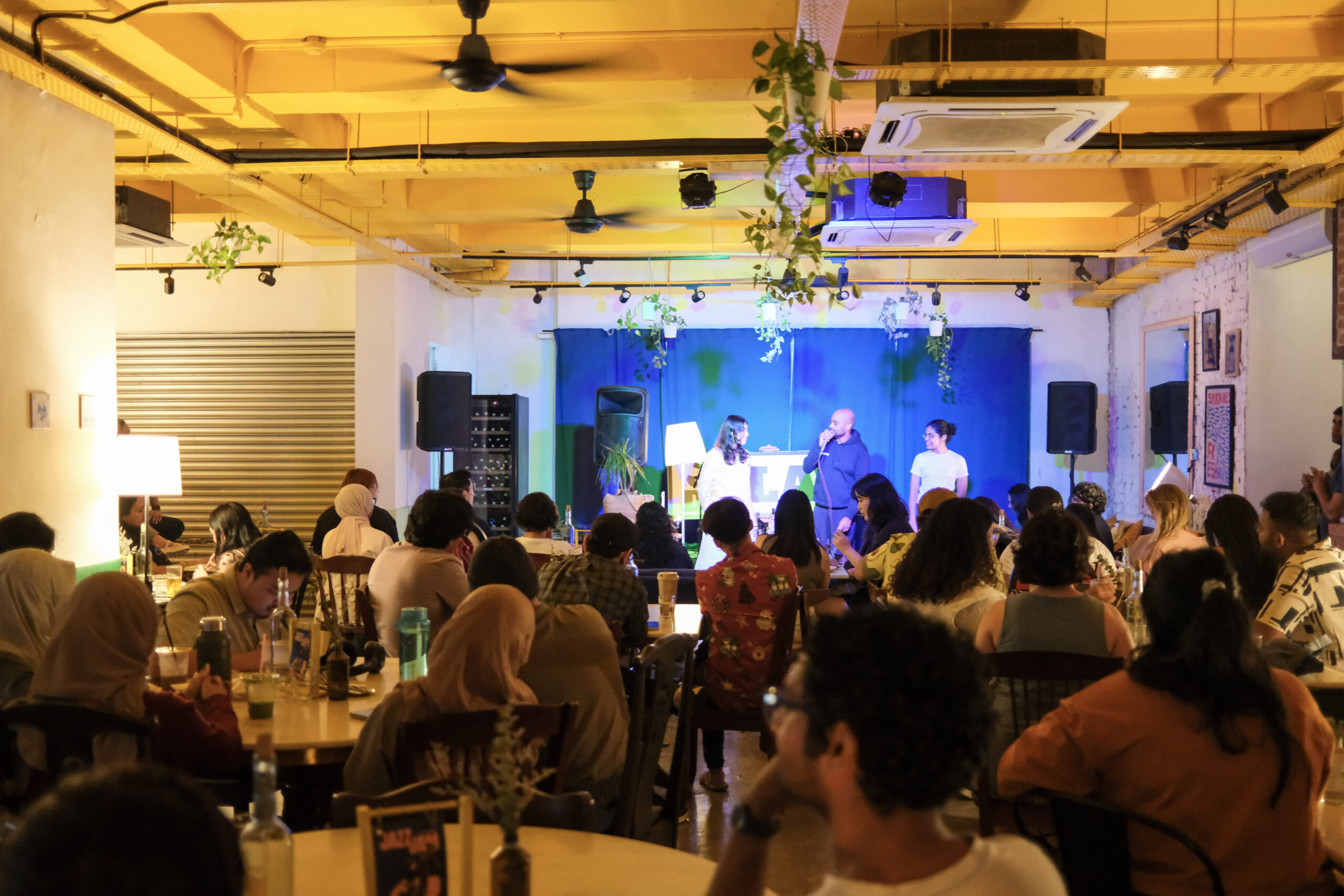
The mezzanine at Central Market feels like a room that has been there a long time, even if you are arriving for the first time. Candlelight, exposed brickwork, the sounds of the city below. On Thursday nights the Jazz Jam fills it with something the clubs on the other side of KL cannot quite replicate — Julian Chan on saxophone, Melvin Goh on piano, Wli Cheah on keys, and Amar Azalan on bass, playing to a room that showed up because it wanted to be there. Entry is free. The music runs as long as it should.
We also run salsa nights, poetry slams, and Afterdark gigs — ticketed from RM 50 in advance or RM 60 at the door. The full programme is on the events page.
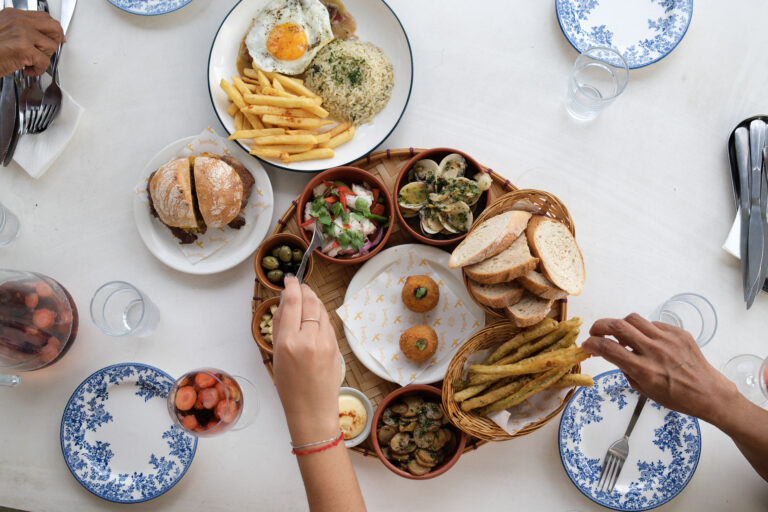
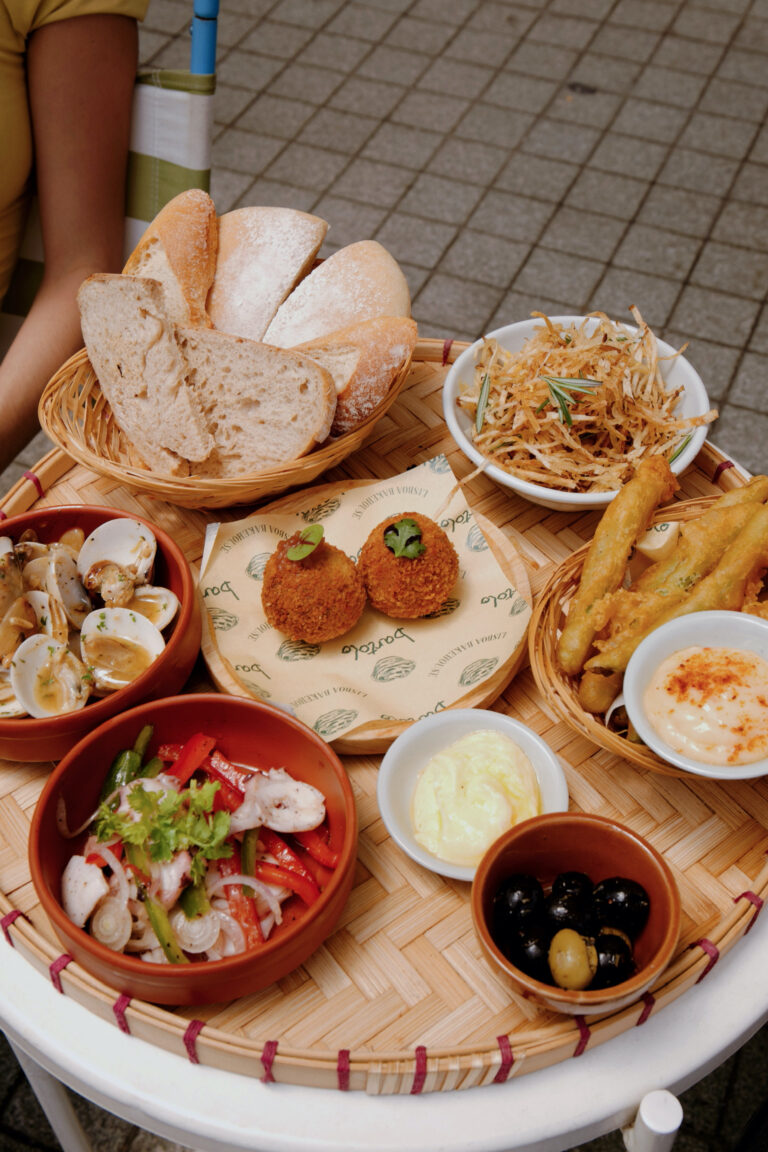
Underneath all of it, the food is Lisbon by conviction. The petiscos — small plates in the Portuguese tradition — are made from ingredients that belong on the plate. The pastéis de nata are cold-proofed for eight hours before they go into the oven, which is why the custard trembles and the pastry blisters the way it does at Pastéis de Belém in Lisbon. They cost RM 6 each.
For busy nights, message ahead on WhatsApp — the good seats fill early.
Frequently asked questions
What are the coolest places to go for a night out in Kuala Lumpur that aren’t clubs? The most interesting nights out in KL for people who want something with more substance than a queue and a DJ tend to happen in heritage venues, live-music rooms, and arts-district spaces — Central Market’s mezzanine, the Zhongshan Buildings in Chow Kit, and the quieter end of Bangsar. Bartolo Lisboa Bakehouse at Central Market is one of the few places in the city that combines a proper live-music programme with serious Portuguese food in a heritage building, with free entry on Thursday jazz nights.
Is the Thursday Jazz Jam at Bartolo free to attend? Yes — the Thursday Jazz Jam at Bartolo Lisboa Bakehouse has free entry. The regular quartet is Julian Chan on saxophone, Melvin Goh on piano, Wli Cheah on keys, and Amar Azalan on bass. For Afterdark gigs on other nights, tickets are RM 50 in advance or RM 60 at the door. Current dates and lineups are listed on the events page. It is worth checking ahead, as the programme changes weekly.
Where exactly is Bartolo Lisboa Bakehouse in KL? The flagship Bartolo Lisboa Bakehouse is on the mezzanine floor of Central Market (Pasar Seni), on Jalan Hang Kasturi in central Kuala Lumpur — a short walk from Pasar Seni LRT station. This is the music and dining location where the jazz nights, salsa evenings, poetry slams, and Afterdark gigs take place.
What kind of food does Bartolo serve, and how late does the kitchen run? Bartolo’s menu is rooted in Lisbon cooking — petiscos (Portuguese small plates), bacalhau preparations, and the pastéis de nata the place is built around. The nata are cold-proofed for eight hours before baking, which produces the blistered pastry and trembling custard that separate them from anything out of a supermarket case. They cost RM 6 each. The full main menu is on the website. The kitchen runs alongside the music programme, so you can eat a proper meal while the band is playing.
Related reading: The Best Bohemian Bars and Hangouts in Kuala Lumpur