There is a moment, just before a poet begins, when the room goes quiet in a particular way. Not the polite silence of a concert hall — something rawer than that. Someone is about to say something true, in public, without notes. In Kuala Lumpur, that moment is happening more often than most people realise, in rooms tucked behind heritage shopfronts, up staircases, and yes — on a candlelit mezzanine above a colonial-era market.
In short:
- The poetry slam KL scene is small, multilingual and growing, with events drawing performers and audiences who work in English, Bahasa Malaysia, Mandarin and Tamil.
- A poetry slam is a competitive spoken word format — distinct from an open mic — where audience judges score original poems, making the crowd as central to the night as the poets.
- Bartolo Lisboa Bakehouse runs its own Poetry Slampionship at Central Market, combining scored competition rounds with live music, an open bar and pastéis de nata in one of KL’s few genuinely atmospheric heritage rooms.
What is the spoken word scene actually like in KL?
Kuala Lumpur has a small but serious spoken word community that performs regularly across the city, with events ranging from casual open mics to structured slam competitions drawing multilingual crowds. The scene doesn’t announce itself loudly. You find it through word of mouth, through an Instagram story at 11pm, through a friend who says: come, it starts at nine. KL’s poets perform in English, Bahasa Malaysia, Mandarin and Tamil — sometimes in the same poem — which gives nights here a texture you won’t find in London or New York.
The audience tends to be young and genuinely curious: students, creatives, office workers who didn’t know they needed this until they were in the room. The spoken word tradition in Malaysia has deep roots. Pantun — the Malay poetic form built on paired stanzas and layered meaning — predates European contact by centuries. Contemporary slam poetry draws on that oral inheritance even when it doesn’t reference it directly. There is a directness to KL slam writing, a willingness to name things plainly, that reflects a generation navigating language, identity and a city changing faster than anyone planned.
The best nights are the ones where someone says something you didn’t know you wanted to hear. The audience scores, someone wins, but everyone leaves having heard something they couldn’t have planned for.
What is a poetry slam, and how is it different from an open mic?
A poetry slam is a competitive spoken word format where poets perform original work and are scored by randomly selected audience members — unlike an open mic, where there are no judges and no winner. The format was invented in Chicago in 1986 by Marc Smith, a construction worker and poet who wanted to return poetry to the kind of room where people actually gathered. The Poetry Foundation traces the slam format to the Green Mill jazz club on Chicago’s north side — which is worth noting, because the connection between live-music venues and spoken word has always been tight. A room that already knows how to listen is a room that can hold a poem.
Here is how a slam works compared to an open mic:
| Feature | Poetry Slam | Open Mic |
|---|---|---|
| Structure | Competitive rounds with scoring | Non-competitive, sign-up format |
| Judges | 3–5 audience members, chosen randomly | No judges |
| Time limit | Usually 3 minutes per poem | Varies, often unenforcced |
| Content | Original work only | Original or cover |
| Atmosphere | High-energy, theatrical | More relaxed, conversational |
| Winner | Yes — scored and ranked | No winner |
The scoring system — typically 0–10 per judge, with the highest and lowest scores dropped — sounds cold until you’re in the room and someone has just delivered three minutes that made half the audience go still. Then you understand why the number matters. It isn’t really about the number at all. It’s about stakes raising the intensity of what gets said. A poet who knows they’re being judged commits differently. So does the audience.
Where does live poetry actually happen in KL?
Live spoken word in Kuala Lumpur runs across a loose circuit of arts spaces, cafés and heritage venues, with no permanent dedicated home — which means the venue shapes the quality of the night as much as the lineup does. KL doesn’t have one room that owns this the way some cities do. Spoken word here is nomadic: it lands wherever someone decides to host a night. Some venues have held long-running series; others host one-off events around literary festivals or cultural programming. The Kuala Lumpur Literary Festival, when it runs, draws both established poets and new voices. Smaller monthly events happen in gallery spaces, independent bookshops and the occasional bar that pushes the tables back.
What the scene often lacks is a room with the right atmosphere. Poetry needs low light and a sense of occasion. It needs an audience that has chosen to be there — not one that wandered in for something else. A quiet moment in a poem cannot compete with a blender or a television above the bar. The physical space shapes what can be said and how well it lands. When a venue already has a culture of listening — from jazz nights, from late evenings where people lean in rather than scroll — spoken word takes root there naturally. The two traditions share more than a room. They share a rhythm.
Where Bartolo fits in
We didn’t set out to build a poetry venue. We set out to build the kind of room that Lisbon does well — a tasca with music, honest food, candlelight, and people who stay late enough to mean it. The mezzanine at Central Market gave us that. High ceilings, heritage ironwork, a stage that faces the crowd directly without any distance between performer and room.
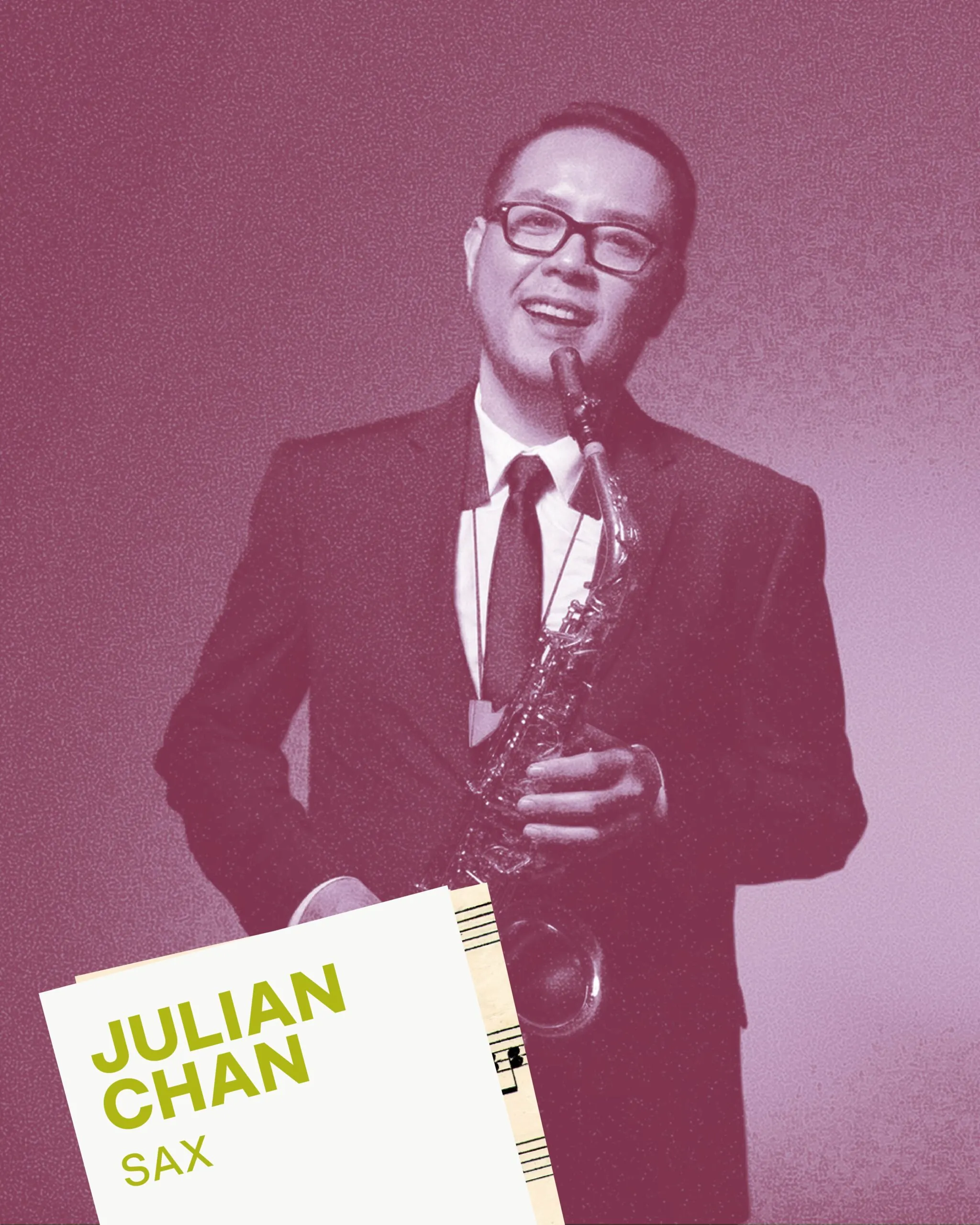
The Poetry Slampionship grew from that room’s nature. A space where Julian Chan plays saxophone on Thursday nights, where Melvin Goh and Wli Cheah trade piano and keys through a set, where Amar Azalan holds the bass line steady — a room like that already understood spoken rhythm. Adding poetry wasn’t a programming decision so much as an obvious next step.
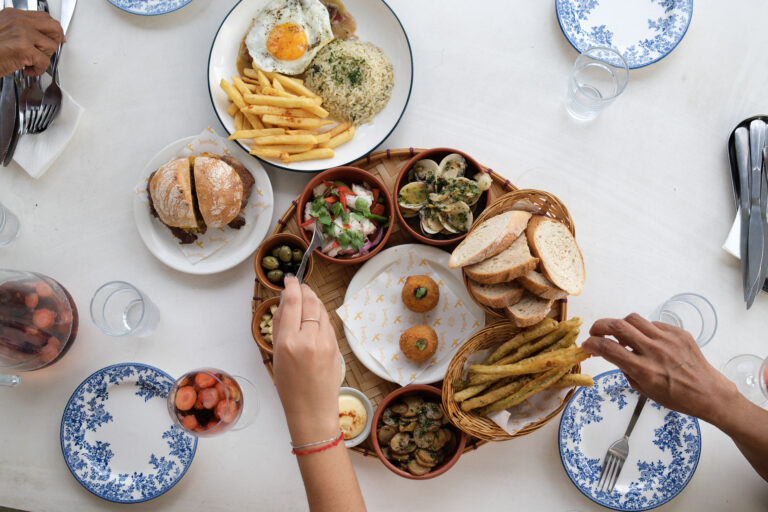
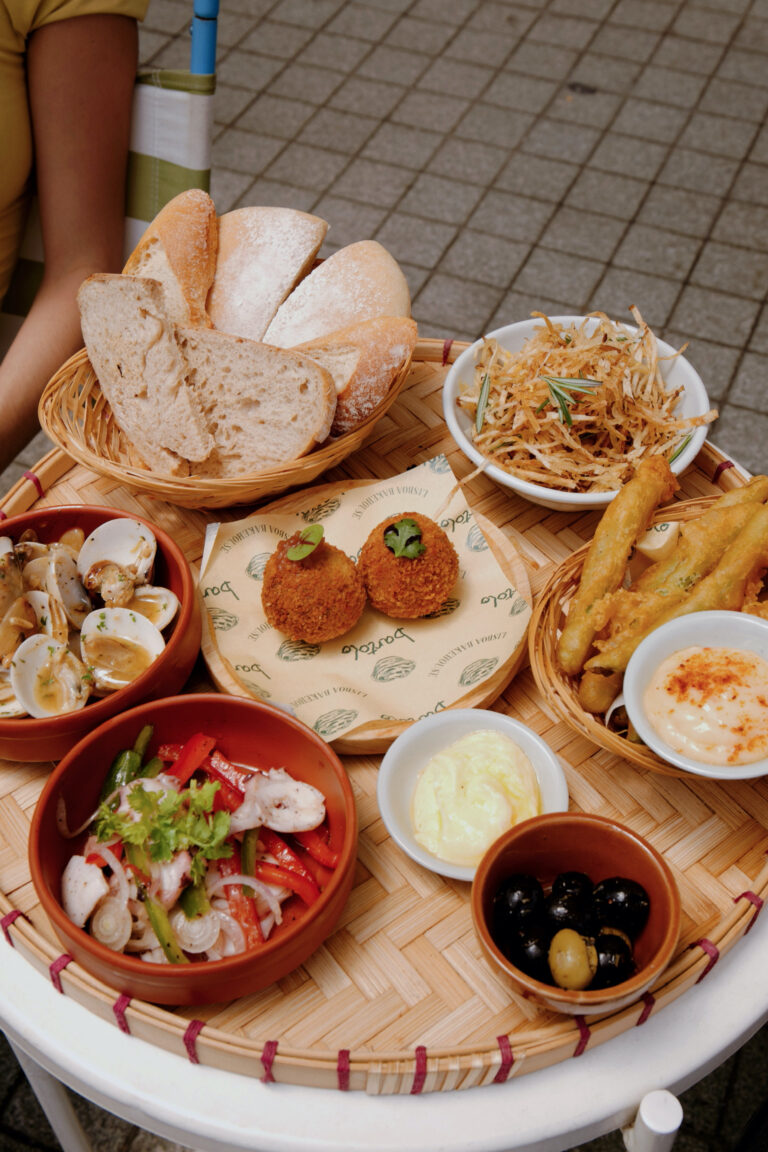
Our Poetry Slampionship runs scored-competition format: original work only, timed rounds, audience members chosen at random as judges. The bar stays open throughout. The pastéis de nata — RM 6 each, cold-proofed for eight hours and baked until the tops blister in a very hot oven — are there if you want something to hold while you listen. You don’t have to compete. A lot of people come just to sit in the room and watch what happens.
We’re on the mezzanine level of Central Market, one minute from Pasar Seni LRT. Check upcoming Poetry Slampionship dates and our full programme on the events page. To reserve a table for slam nights — the room does fill — WhatsApp us directly.
Frequently asked questions
What is a poetry slam KL, and where does one happen? A poetry slam is a competitive spoken word event where poets perform original pieces and are scored by randomly selected audience judges. In KL, slams happen across a loose circuit of cafés, arts spaces and live-music venues. Bartolo Lisboa Bakehouse runs its own Poetry Slampionship at Central Market — a scored, multi-round competition inside one of KL’s few proper heritage music rooms. Details on upcoming dates are on our events page.
Do I need to perform to attend a poetry slam night? No — you can come entirely as an audience member, and in a slam format that role is essential. Randomly selected audience members serve as judges, scoring each poem on delivery, content and originality. Coming to watch, listen and score is a complete and valid way to spend the evening. You don’t need to sign up for anything in advance other than a table reservation.
What language do poets perform in at KL slams? KL’s spoken word scene is genuinely multilingual. English is the most common language at most events, but performances in Bahasa Malaysia, Mandarin and Tamil are all part of the scene. At Bartolo’s Poetry Slampionship, poets are welcome to perform in any language. Scoring criteria cover delivery, content and originality — not language choice.
Where exactly is Bartolo Lisboa Bakehouse? The flagship venue — where the Poetry Slampionship, Thursday Jazz Jams, salsa nights and Afterdark gigs all happen — is on the mezzanine level of Central Market, Kuala Lumpur, a one-minute walk from Pasar Seni LRT station. A second location, Nata House, operates at Bangsar Shopping Centre as a daytime pastéis de nata counter. Full directions and opening hours are on our visit us page.
Related reading: Friday Night vs Thursday Night Jazz in KL: When Should You Go?